Your health record: labs, documents and the summary in one place
What the personal health record is built from, why it wants your documents, and why a summary without them stays generic.
The personal health record is what Lonevi exists for: one place where your health data sits together instead of being scattered across folders, mail attachments and photos on your phone.
What it is built from
Documents. A discharge summary, a lab result, a doctor's note — uploaded as a PDF or a photo. Markers are extracted from what you upload, so they land in the record as data rather than as a picture you later scan with your eyes.
The questionnaire. Everything no lab result contains: age, height, weight, habits, chronic conditions, what you take. Filled once and refined as you go.
The journal. Measurements and events over time: blood pressure, pulse, weight, appointments. A single value answers "how much"; a series answers the question people actually arrive with — "am I better or worse".
Why completeness matters more than it looks
The summary is built from what the record holds. If it holds three fields, the summary answers three fields — generic, cautious and close to useless. This is not a complaint about users: a careful text written from an empty record has a habit of looking substantial, and that is exactly what makes it dangerous.
So your account shows how complete the record is and what would strengthen it most. The easiest place to start is uploading your most recent blood panel — how to read its markers is covered in the knowledge base.
Articles in this section are educational and are not medical advice, a diagnosis, or a prescription. Consult a qualified professional before acting on anything you read here.
Read next
- ProductHow Lonevi works
Showing your record to a doctor: a link that expires
How to hand a doctor your data in the ten seconds an appointment allows, and why the link stops working on its own.
1 min read 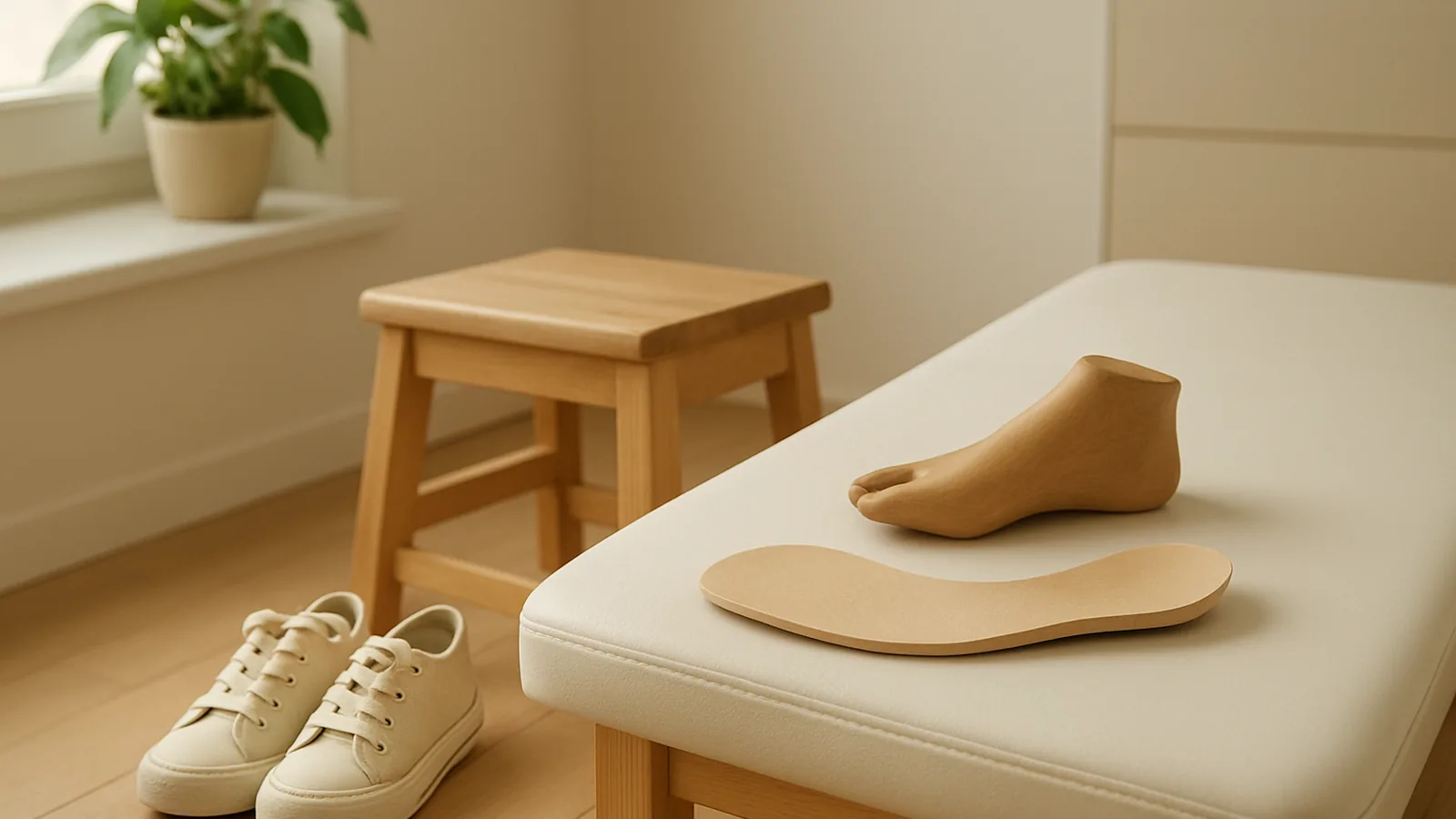 ExplainerMedicine and treatment
Flat feet in children and adolescents: when to observe, when to treat, and what the evidence shows
In most children a flat foot is a shape, not a disease: the arch matures on its own in the first decade. What decides is whether the foot is flexible and whether it hurts. What the insole trials showed, how a rigid foot differs from a flexible one, when surgery is discussed at all, and what to ask the orthopaedic surgeon.
16 min read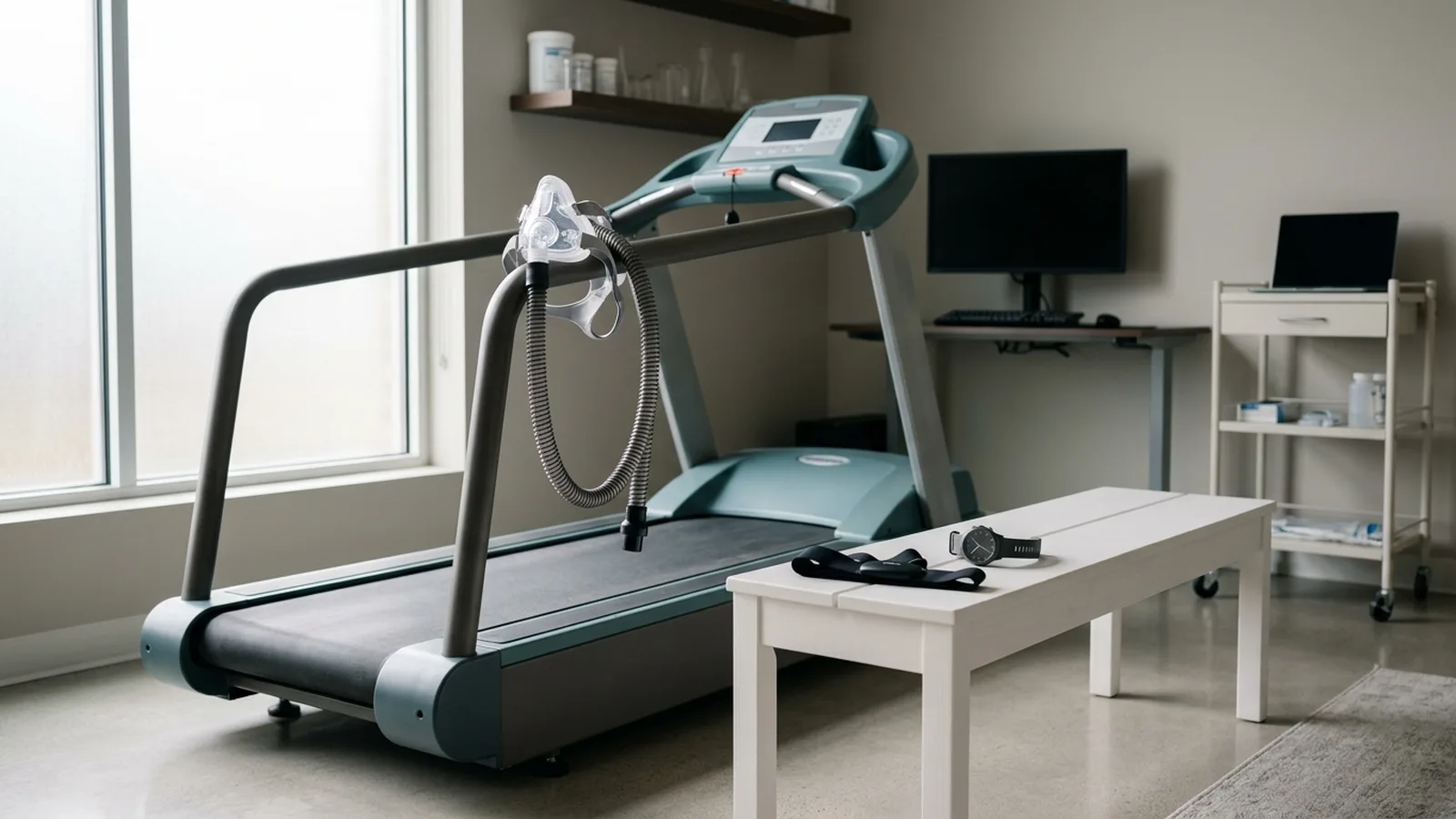 ExplainerBiomarkers
What limits VO2max — lungs, heart or muscles — and how accurate the estimates are
VO2max is often described as a measure of the lungs. In healthy people the ceiling is set mostly by how much oxygen the heart and blood can deliver; the lungs become the limit only in particular situations. What changes with age, and how accurate lab tests, formulas and watches are.
12 min read